How to Choose the Right Dumpster Rental for Your Project
January 27, 2026
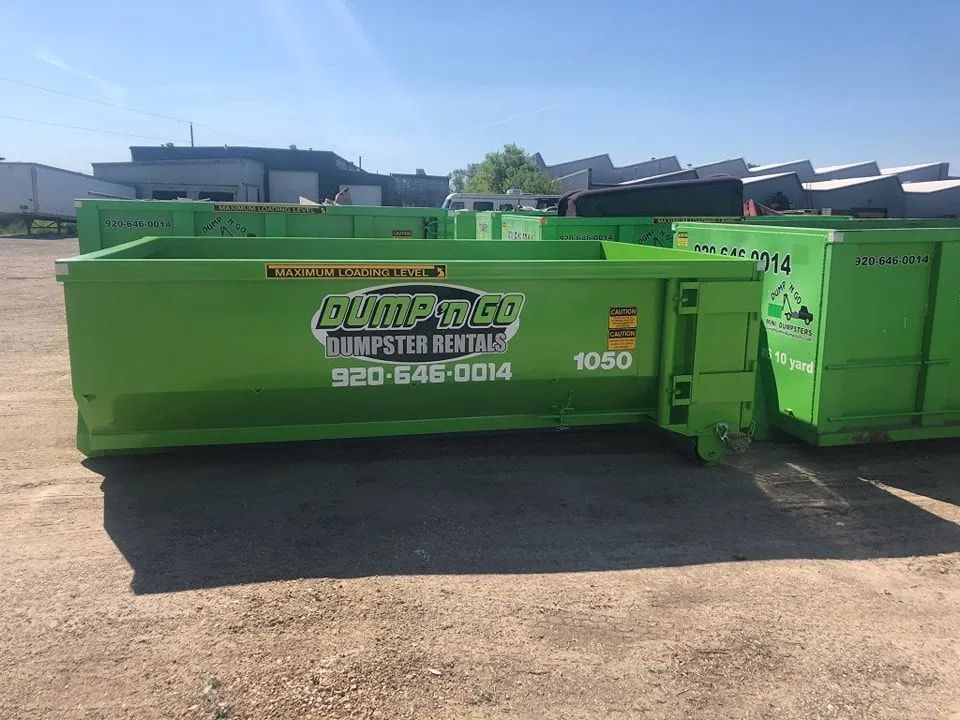
When tackling a home renovation, construction project, or major cleanout, managing waste efficiently is crucial. Improper waste disposal can lead to increased costs, safety hazards, and project delays. Dumpster rental services provide a practical solution for both homeowners and businesses, allowing you to handle large amounts of debris in an organized and environmentally responsible manner. However, choosing the right dumpster rental requires careful consideration. The wrong size, type, or provider can disrupt your project timeline and create unnecessary stress. Understanding the factors that influence dumpster selection can save time, money, and energy, while ensuring a smoother project workflow.
Selecting the right dumpster is not merely about picking a container; it involves evaluating your project’s scope, waste type, duration, and local regulations. From estimating the volume of debris to considering weight restrictions and rental policies, every decision impacts the efficiency of your waste management plan. This guide delves into the essential considerations when renting a dumpster, offering practical insights, real-world examples, and expert tips to help you make an informed choice. Whether you are a homeowner decluttering a property or a contractor managing a large-scale construction site, knowing how to choose the right dumpster rental ensures your project stays on track, cost-effective, and safe.
1. Assessing Your Project Needs
Identify the Scope of Your Project
Before renting a dumpster, clearly define the scope of your project. Are you undertaking a small residential cleanout, a home renovation, or a large commercial construction project? The type and volume of waste generated will vary significantly depending on the scale. A small garage cleanout may only require a 10-yard dumpster, while a full-scale demolition could need a 40-yard container. Accurately assessing your project ensures you don’t overspend on a dumpster that’s too large or risk overflow with one that’s too small.
Determine the Type of Waste
Not all dumpsters can handle every type of debris. Household junk, construction materials, hazardous waste, and yard debris often have specific disposal rules. For example, some rental companies restrict hazardous materials like paints, chemicals, and asbestos. Identifying the type of waste you plan to discard helps you select a dumpster designed for your needs, preventing potential fines and extra disposal fees.
Evaluate Duration and Frequency
Consider how long your project will take and whether you will need multiple pickups. Some projects generate waste gradually, requiring ongoing service, while others are one-time events. Understanding your project timeline will influence the rental period and cost. For example, a week-long home renovation may need a single delivery, while a multi-month construction project may benefit from scheduled pickups or extended rental agreements.
2. Choosing the Right Dumpster Size
Understanding Standard Dumpster Sizes
Dumpsters come in a range of sizes, typically measured in cubic yards. Common sizes include:
- 10-yard dumpsters: Ideal for small cleanouts, minor renovations, or yard debris.
- 20-yard dumpsters: Suitable for medium renovations, roofing projects, and larger residential cleanouts.
- 30-yard dumpsters: Perfect for major home remodels, large construction sites, or office cleanouts.
- 40-yard dumpsters: Best for commercial projects, demolitions, or extensive construction waste.
Estimating Your Waste Volume
A common mistake is underestimating the amount of debris your project will generate. Start by roughly calculating the volume of materials to discard. For instance, one pickup truck load equals approximately 2-3 cubic yards. For larger construction debris, measure the dimensions of the area to be cleared and apply average density estimates for materials like concrete, wood, or drywall. Rental companies often provide size guides or staff consultations to help with this estimation.
Avoiding Overfilling or Underutilization
Choosing the correct size prevents overfilling, which can result in additional fees, and underutilization, which wastes money. A 20-yard dumpster that ends up half full may be costlier than a 10-yard option. Conversely, a 10-yard container that exceeds capacity can delay your project and create hazards. A careful size selection ensures efficiency, cost-effectiveness, and compliance with rental policies.
3. Understanding Weight and Material Restrictions
Knowing Weight Limits
Most dumpsters have weight limits, often ranging from 2 to 10 tons depending on size. Exceeding these limits can incur overage fees. For example, concrete, bricks, and dirt are much heavier than wood or household trash. Estimating the combined weight of your materials ensures your chosen dumpster can handle the load without penalties.
Identifying Restricted Materials
Certain items may be prohibited in standard dumpsters due to safety or environmental regulations. Hazardous substances such as asbestos, batteries, oil, and propane cylinders require special handling. Even materials like tires, electronics, and large appliances may have disposal restrictions. Reviewing your rental agreement and confirming what materials are accepted prevents fines and avoids delays caused by non-compliant disposal.
Best Practices for Heavy Materials
When dealing with particularly dense debris, consider renting a specialized dumpster or multiple smaller units. For example, a roofing project with shingles and nails may benefit from a roofing-specific dumpster that can safely handle these materials. Distributing heavy loads evenly within the dumpster also prevents structural stress and improves safety during transport.
4. Evaluating Rental Terms and Pricing
Comparing Rental Rates
Dumpster rental pricing typically includes delivery, pickup, disposal fees, and rental duration. Rates vary by provider, dumpster size, and location. Request detailed quotes to compare total costs rather than focusing solely on the per-day rate. Some companies offer flat rates for a specified rental period, while others charge per ton of waste, which can significantly impact your budget.
Understanding Additional Fees
Hidden costs can arise from exceeding weight limits, including prohibited materials, or extending the rental period. Ask the provider about potential overage fees, late charges, and fuel surcharges. Understanding the full cost structure ensures you avoid surprises and budget effectively for your project.
Rental Flexibility and Service Options
Flexibility in rental terms can be critical for project success. Some companies offer same-day delivery, extended rental periods, or multiple pickups for ongoing projects. Consider whether you need these services upfront to ensure your waste management plan remains adaptable. Providers that allow schedule adjustments or offer responsive customer service can save you time and reduce stress.
5. Assessing Delivery Logistics and Placement
Space Requirements and Placement Considerations
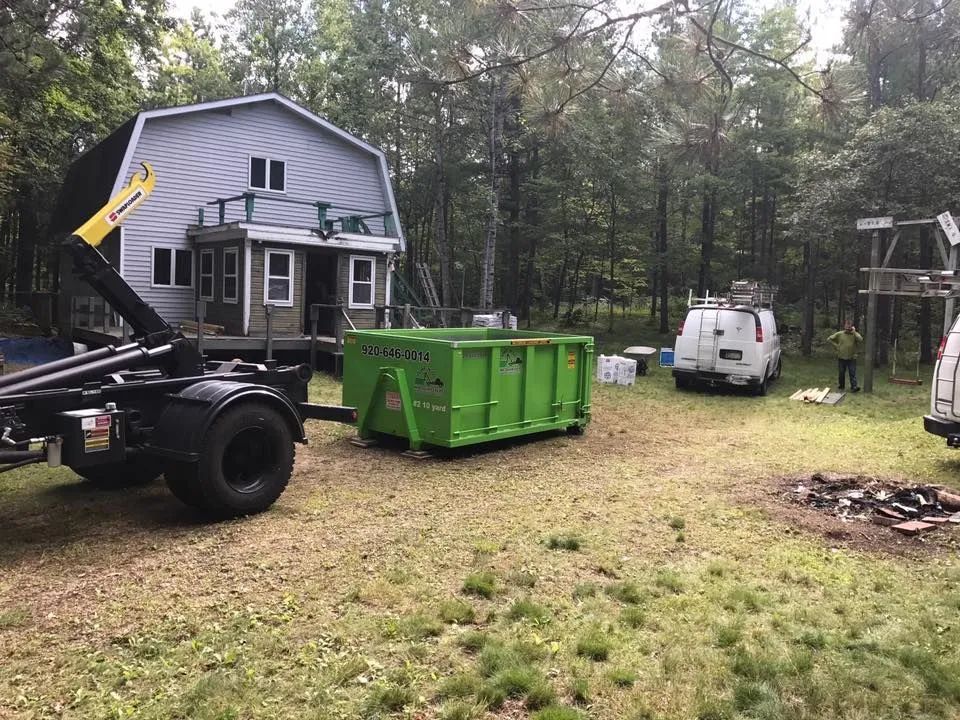
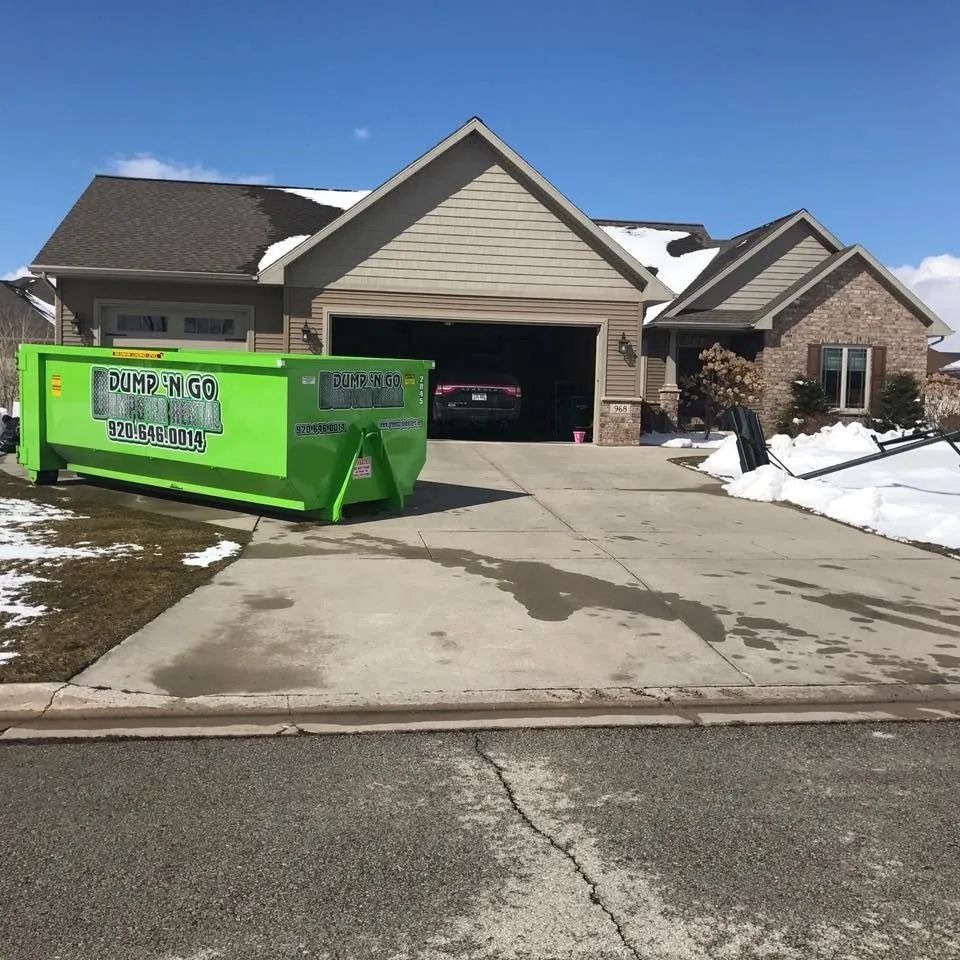
The placement of your dumpster impacts project workflow, accessibility, and safety. Ensure the delivery area is flat, stable, and large enough to accommodate the container, including clearance for trucks to drop off and pick up. For residential areas, check for overhead obstructions such as power lines, tree branches, or garage doors.
Driveway and Surface Protection
Dumpsters can damage driveways, lawns, or paved surfaces if not handled correctly. Discuss protective measures with your rental company, such as using wooden planks or mats under the dumpster. This precaution reduces potential property damage and additional repair costs.
Obtaining Necessary Permits
In many municipalities, placing a dumpster on a public street or sidewalk requires a permit. Check local regulations before scheduling delivery. Rental companies often assist with permit acquisition, ensuring compliance with local ordinances and avoiding fines.
6. Choosing a Reliable Dumpster Rental Company
Reputation and Experience
Selecting a reputable provider ensures reliability, transparency, and professional service. Research online reviews, ask for referrals, and evaluate customer testimonials. A company with experience in handling projects similar to yours is more likely to provide expert guidance on size, placement, and disposal requirements.
Environmental Responsibility
Waste disposal has significant environmental implications. A responsible dumpster rental company ensures materials are sorted, recycled, or disposed of according to local regulations. Ask about their recycling policies, partnerships with certified disposal facilities, and commitment to reducing landfill impact.
Customer Support and Responsiveness
Good customer support can make a challenging project significantly easier. Choose a provider that offers clear communication, responsive scheduling, and the ability to handle unexpected changes. Prompt assistance with delivery, pickup, or troubleshooting minimizes delays and enhances project efficiency.
Choosing the right dumpster rental is essential for the success of any project, whether it’s a small residential cleanout, a home renovation, or a large-scale construction job. Properly assessing your project needs, selecting the appropriate size, understanding weight and material restrictions, evaluating rental terms, and planning delivery logistics all contribute to a smooth, cost-effective, and safe waste management process. Making informed decisions at every step ensures your project stays on schedule, avoids unnecessary fees, and reduces stress.
Expert Guidance for Every Dumpster Rental Project
For homeowners and businesses in need of dependable waste management solutions, Dump 'N Go in Green Bay, Wisconsin, offers over 10 years of experience in providing reliable and efficient dumpster rental services. With a commitment to professionalism and customer satisfaction, Dump 'N Go assists clients in selecting the right dumpster size, understanding weight and material guidelines, and navigating rental terms. Their knowledgeable team provides expert guidance for projects of all scales, ensuring proper placement, permit compliance, and environmentally responsible disposal practices.
Whether you’re clearing out your garage, renovating your home, or managing a construction site, Dump 'N Go
simplifies the process with flexible rental periods, transparent pricing, and responsive customer support. Their dedication to quality service and waste management expertise makes them a trusted partner for homeowners and contractors alike. By choosing Dump 'N Go, you gain a dependable, knowledgeable, and experienced resource committed to helping your project succeed while maintaining safety, efficiency, and sustainability.