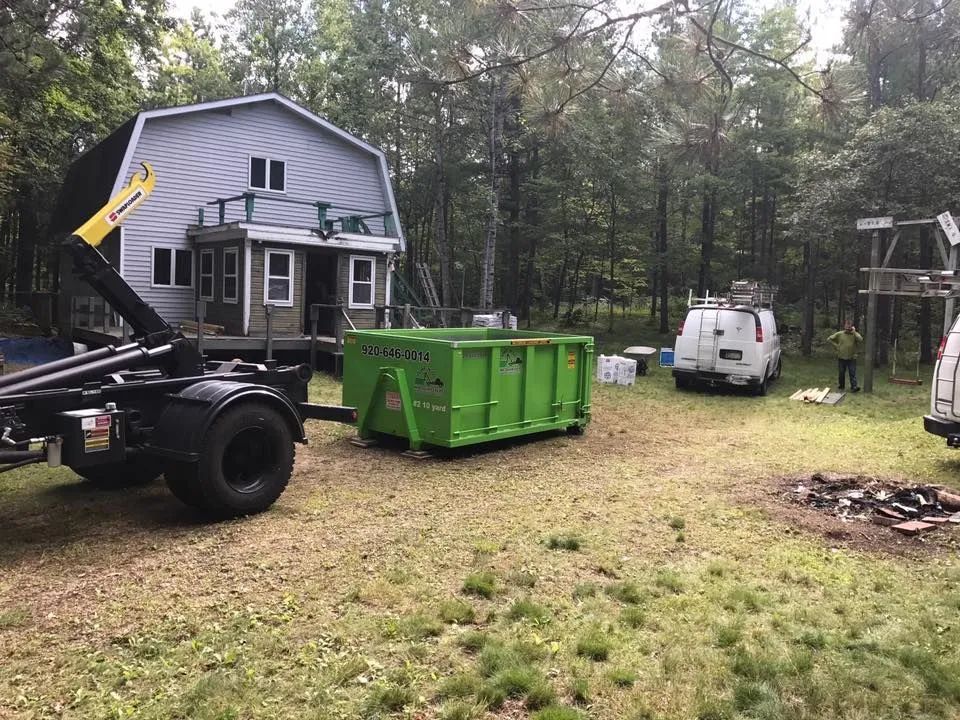
10, 15, or 20-Yard Dumpster: How to Match Size to Your Project
August 25, 2026
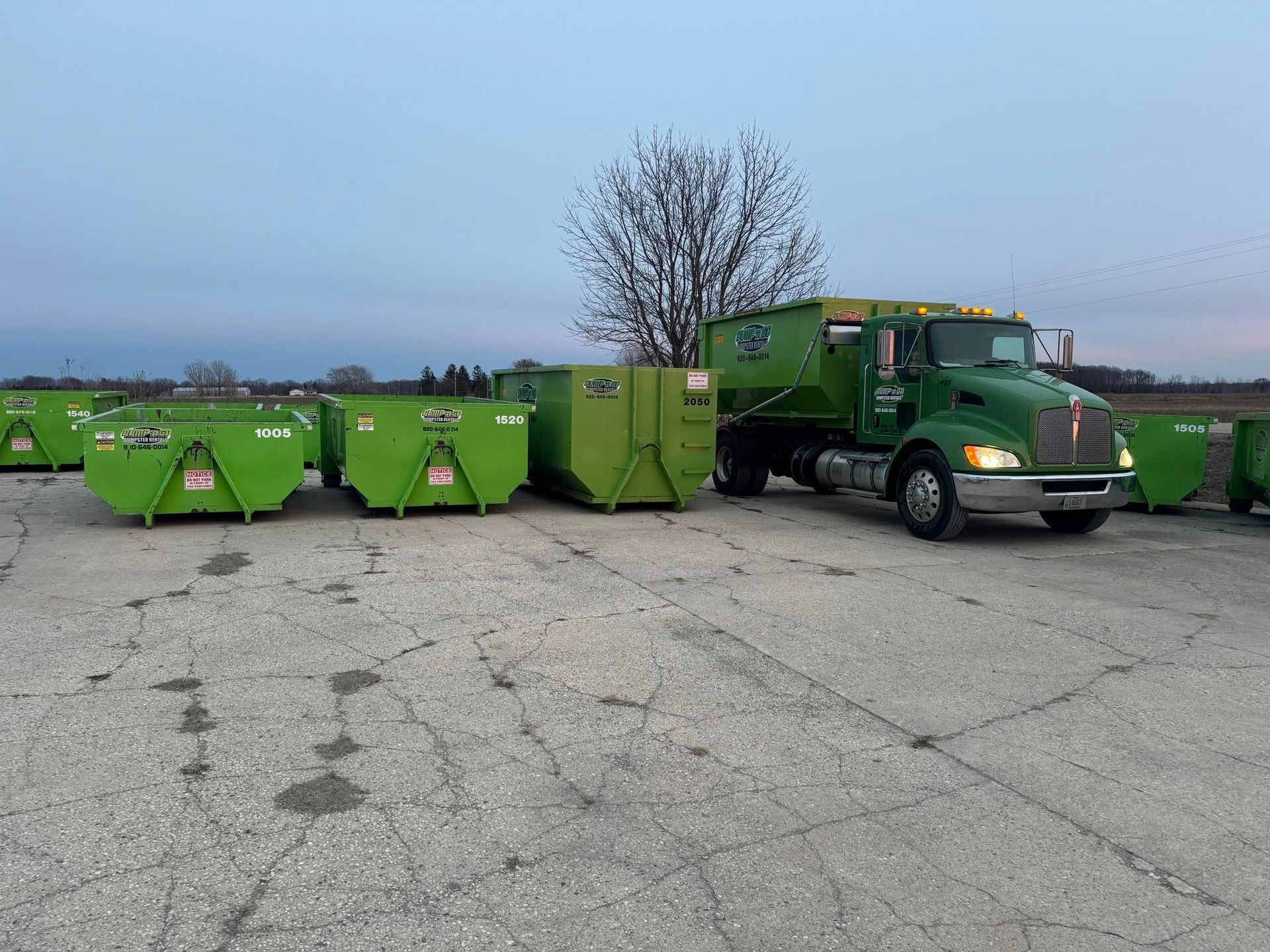
Short term and long term dumpster rentals split along one line: whether your debris shows up all at once or keeps trickling in. Get that right and the rest falls into place.
Short term rentals are built for projects with a hard stop. Think a single garage or basement cleanout, one room torn down to the studs, a move out, or an estate clearing. The debris comes fast and then it's done. Most short term drops sit for two to seven days, which is plenty when the work happens in one push. Spring cleanouts after the snow finally melts and fall yard purges before the first hard freeze fit this pattern almost every time.
Long term rentals earn their keep when the mess arrives in waves. A whole house remodel, a new addition, ongoing commercial turnover, or landscaping spread across a season all feed a bin in bursts with quiet stretches between. These rentals run weeks, sometimes a month or more. The bin becomes part of the job site, not a one time visit. Because the building season is short, a lot of long term containers go out in summer when crews are racing to finish exterior work before cold weather shuts it down.
Quick Answer: A 10-yard dumpster fits small jobs like a single-room cleanout or a bathroom tear-out, roughly three to four pickup-truck loads of debris. A 15-yard covers moderate projects such as a deck removal or a two-car garage cleanout, around five to six truckloads. A 20-yard is built for major renovations, whole-home cleanouts, or heavy construction debris, holding close to eight truckloads. Weight matters as much as volume, so heavy materials like shingles or concrete can max out a smaller container before it ever looks full.
You call around for a dumpster, and the first question you get back is "what size do you need?" Fair question. If you've never rented one before, it's also the hardest one to answer. Ten, fifteen, twenty yards — those numbers don't mean much until you picture what actually lands in the container: bags of insulation, a torn-out vanity, a stack of old fence boards, half a garage's worth of stuff nobody wants anymore.
Get the size right and you save yourself a second delivery fee and a stalled weekend. Guess too small and you're stacking debris on the driveway waiting for a swap. Guess too big and you paid for room you never used. Here's how the three most common roll-off sizes stack up, and how to figure out which one matches your project.
What Each Size Actually Holds
The yard number refers to cubic yards of volume, not weight, and that distinction trips up a lot of first-time renters. Picture each size against something familiar: a load of debris piled to about the height of the container walls, no mounding on top.
10-yard dumpster
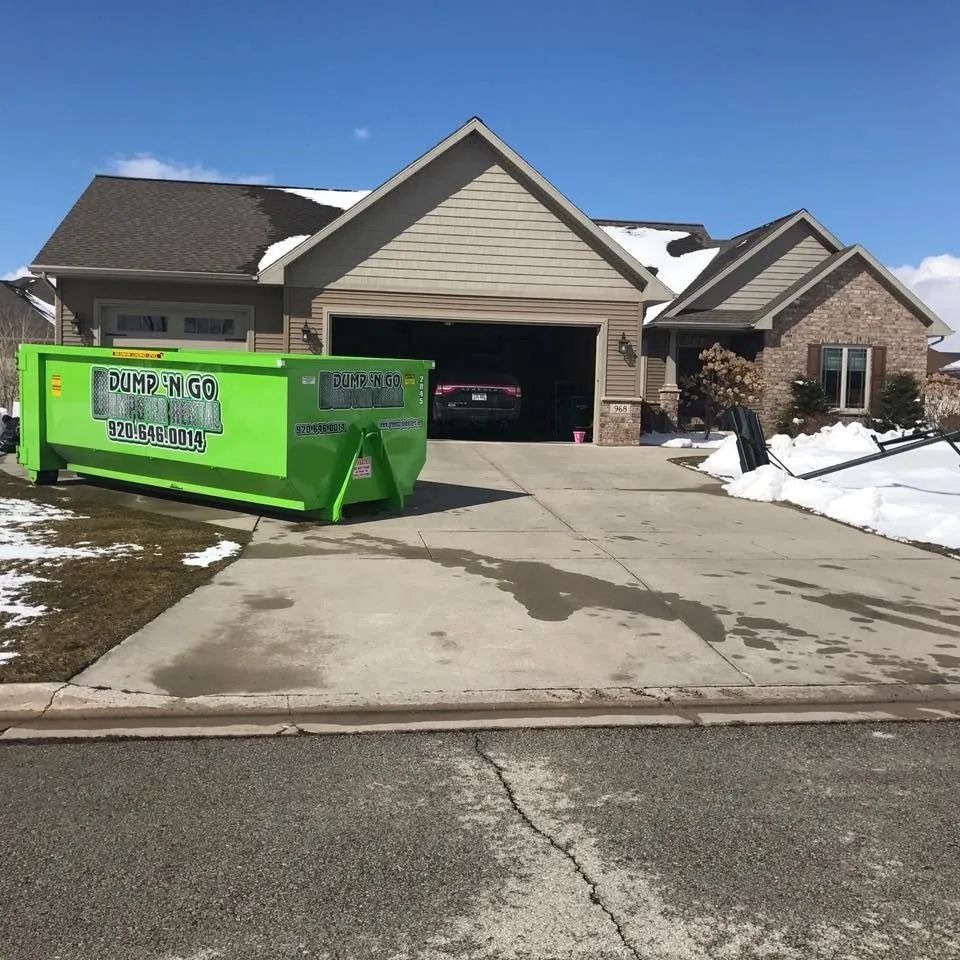
Roughly 14 feet long, 7 to 8 feet wide, and 3 to 4 feet tall, a 10-yard holds about three to four pickup-truck loads of debris. It's the right call for a single-room cleanout, a small bathroom remodel, a modest pile of yard waste, or clearing out a shed. It also fits in tight driveways and narrow side yards where a bigger container would crowd the space.
15-yard dumpster
Step up to around 16 feet long with walls closer to 4.5 feet tall, and you get roughly five to six truckloads of capacity. This size covers moderate jobs — a deck tear-off, a two-car garage cleanout, a kitchen remodel with cabinets and flooring coming out, or a basement declutter that involves some furniture. It's the size most homeowners land on once a project outgrows a single room.
20-yard dumpster
At about 22 feet long and still around 4.5 feet tall, a 20-yard holds close to eight truckloads. Built for whole-home cleanouts, full roof tear-offs, major renovations that touch several rooms, and heavier construction debris. If your project involves demolition, an estate cleanout, or clearing a property before a move, this is usually where the math lands.
Volume Isn't the Only Number That Matters
A container can look half-empty and still be at its weight limit. That catches people off guard, especially with dense materials. Roll-off dumpsters carry a set weight allowance, and going over it adds cost and can hold up pickup until the excess comes back off.
Heavy Debris Fills The Weight Limit Before The Volume Limit
Shingles, concrete, brick, dirt, and wet lumber are dense materials. A 10-yard container filled with roofing debris can reach its weight limit while still having available space, making a larger or dedicated heavy-debris container a better choice.
Light, Bulky Debris Fills The Volume Limit First
Furniture, mattresses, cardboard, and household junk occupy considerable space without weighing much. These projects typically reach the container's volume limit before its weight allowance, making standard truckload comparisons a useful sizing guide.
Mixed Loads Need A Gut Check On Both
Most home projects contain different debris types, such as cabinets, drywall, patio materials, and furniture. When estimating a mixed load, choosing the larger container size can provide needed room and reduce the risk of overflow.
TIP: If you're not sure whether your debris skews heavy or light, picture the pile without the dumpster there. A mound of furniture and boxes that looks huge but weighs little points toward sizing for volume. A modest pile of shingles, tile, or concrete that feels dense in your hands points toward sizing for weight, even if the pile itself looks smaller.
Matching Size to Common Project Types
Every project is different. But most home and light-commercial jobs cluster around a few patterns you can use as a starting point, then adjust from there.
Small Cleanouts And Single-Room Remodels
A garage purge, bathroom gut, shed clear-out, or small landscaping project typically fits a 10-yard container. These jobs usually produce a manageable debris pile that stays contained in one area.
Multi-Room Renovations And Moderate Cleanouts
Kitchen remodels, basement decluttering, deck removals, and heavily packed two-car garages generally call for a 15-yard container. This size accommodates mixed debris, including bulky and heavier materials, without requiring multiple rentals.
Whole-Home Projects And Heavy Demolition
Full roof tear-offs, whole-house cleanouts, estate projects, major additions, and large demolition jobs often require a 20-yard container. It also provides extra capacity when the final debris volume is difficult to estimate.
Around Green Bay and Brown County, the sizing question comes up most in spring, when homeowners are catching up on projects that piled up over a snowy winter, and again in fall, when yard cleanup and pre-holiday decluttering hit at the same time. Both seasons tend to push people toward the larger end of their size range, since a garage cleanout often stacks on top of yard debris in the same weekend.
When to Size Up Instead of Down
There's a real temptation to book the smaller container and hope it works out. For most projects, that bet doesn't pay off.
A Second Delivery Costs More Than The Size Difference
If a 15-yard container fills before the project ends, a swap-out or second haul adds cost and causes delays. Choosing a 20-yard upfront is often more practical than interrupting work.
Demolition And Renovation Debris Is Hard To Estimate In Advance
Opening walls often reveals unexpected debris, including insulation, damaged materials, and additional framing. For demolition projects, choosing the next container size up provides useful capacity for unforeseen waste.
Loading Technique Stretches Whatever Size You Choose
Breaking down furniture, flattening cardboard, and stacking drywall or plywood efficiently can significantly increase usable container space. A carefully loaded 15-yard container can sometimes hold more than a poorly loaded 20-yard.
WARNING:
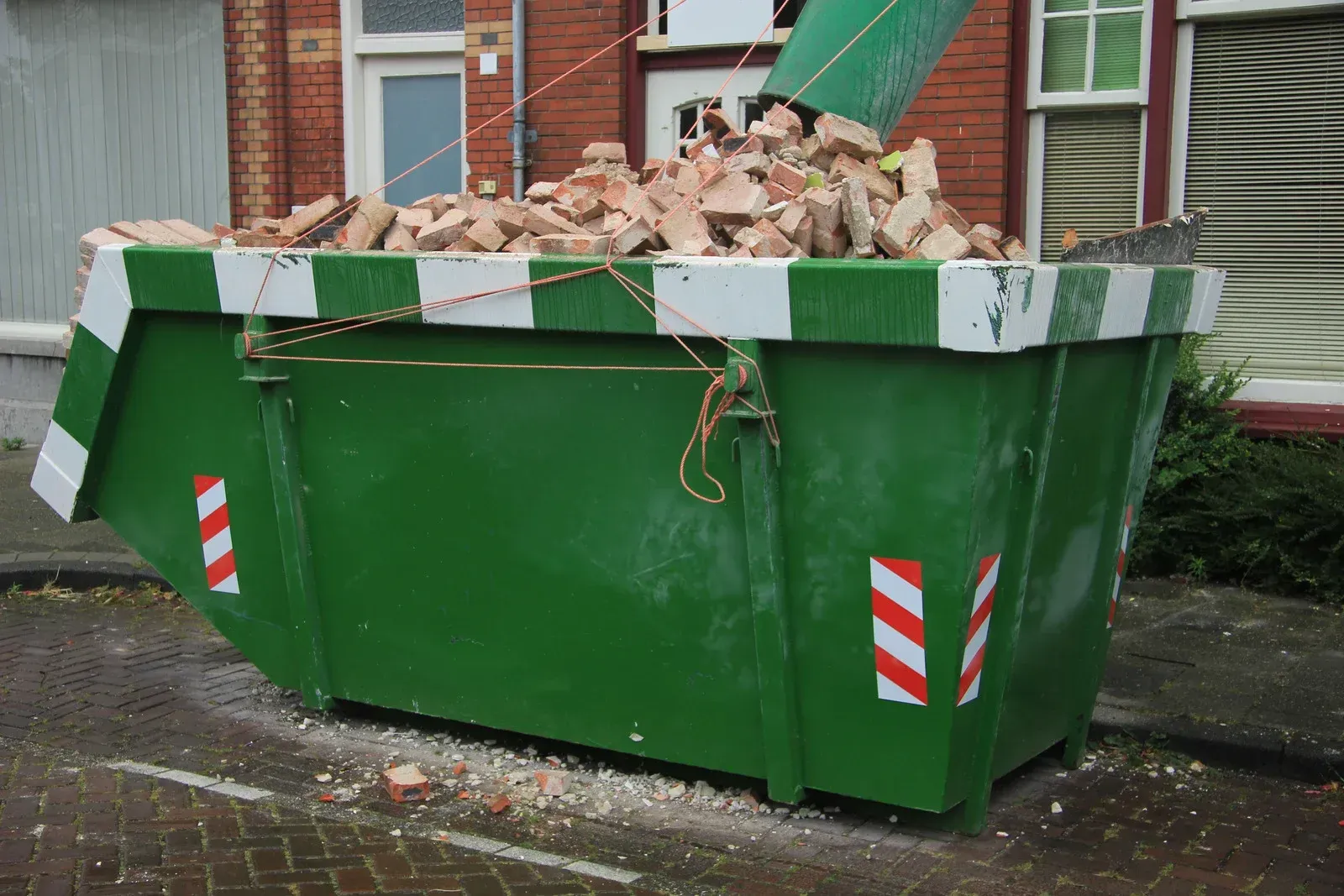
Never load debris above the top rail of the dumpster. A mounded load can't be transported safely or legally, and the driver may have to leave it behind until the excess is removed. If you're consistently piling debris above the walls, that's a sign you need the next size up, not a taller pile.
Frequently Asked Questions
How do I know if I need a 10-yard or a 15-yard dumpster?
Count the rooms or areas your debris comes from. One room, a small remodel, or a modest cleanout fits a 10-yard. Multiple rooms, or bulky furniture on top of general debris, calls for a 15-yard.
Can a 20-yard dumpster fit on a normal residential driveway?
Yes, in most cases. A 20-yard runs about 22 feet long and 7 to 8 feet wide, which fits a standard driveway. Clear overhead space and a flat, level surface matter more than length itself.
What happens if I underestimate and my dumpster fills up early?
You can request a swap-out, where the full container is picked up and replaced with an empty one. It happens often on demolition jobs, so plan for it if your pile grows past your estimate.
Does a heavier project always need a bigger dumpster?
Not necessarily. Weight and volume are separate limits. A pile of concrete or shingles can max out a 10-yard while looking far from full, so dense debris sometimes needs a size bump on weight alone.
Is it cheaper to rent two smaller dumpsters or one larger one?
For most projects, one larger container covering the whole job beats coordinating two rentals and waiting on a second delivery. If the work splits into phases weeks apart, two smaller containers can make sense instead.
What size dumpster works best for a garage or basement cleanout?
It depends on how much is coming out. A single-car garage or light basement declutter fits a 10-yard. A two-car garage, full basement, or both cleared in one weekend usually needs a 15 or 20-yard.
Choosing the Right Container Before Your Project Begins
Sizing a dumpster gets easier once you stop thinking in cubic yards and start thinking in debris piles. Walk the space, picture what actually comes out, and separate the dense material from the bulky material before you commit to a number. Most projects turn up a little more waste than anyone expected once the work begins, which is why the slightly larger container so often ends up being the practical choice rather than the expensive one.
Homeowners and contractors around Green Bay, WI who get this right tend to be the ones who size for the whole job instead of the first load. Dump 'N Go
has spent 10+ years matching containers to projects across Brown County, from single bathroom tear-outs to full estate cleanouts, and the pattern rarely changes. The job that stalls is almost always the one waiting on a swap-out. Knowing that in advance is what keeps a weekend running on schedule.