Avoid Common Mistakes When Renting a Roll-Off Dumpster
May 31, 2026
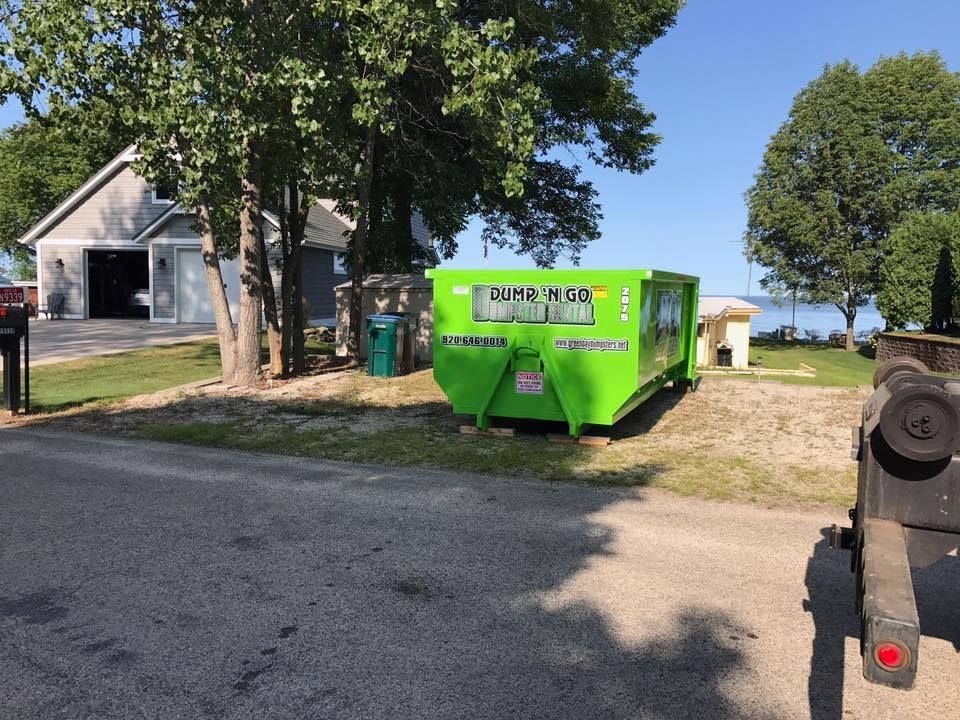
Roll-off dumpster rentals play an important role in residential cleanouts, construction projects, remodeling jobs, roofing work, office renovations, and large-scale property maintenance. Whether someone is clearing out a garage, replacing flooring, managing demolition debris, or handling commercial waste, choosing the right dumpster rental service helps keep projects organized and on schedule. However, many property owners underestimate how much planning goes into renting a dumpster. Common mistakes such as choosing the wrong size, overloading the container, placing prohibited materials inside, or failing to prepare the delivery area can create unnecessary delays, added expenses, and safety concerns. Understanding how the dumpster rental process works before scheduling a delivery helps reduce avoidable problems and improves overall project efficiency. Proper dumpster planning also supports cleaner job sites, smoother workflow management, and safer debris handling throughout the project. Taking time to understand rental requirements before work begins can help property owners avoid disruptions that affect productivity and cleanup schedules.
The dumpster rental industry has evolved to support a wide range of residential and commercial waste management needs. Modern rental services provide flexible scheduling, multiple container sizes, and disposal solutions designed for different types of debris. Even with those conveniences, poor planning can still lead to permit violations, pickup delays, damaged surfaces, and unexpected fees. Learning how to avoid common dumpster rental mistakes allows homeowners, contractors, and business owners to manage waste more responsibly while protecting their budgets and timelines. Careful preparation also helps ensure projects remain safe, compliant, and easier to complete from start to finish. In addition, understanding rental policies and disposal guidelines can help reduce unnecessary hauling costs and improve project coordination. A well-managed dumpster rental process supports better organization while helping projects stay on track from beginning to end.
Understanding Dumpster Size Requirements Before Renting
Why Dumpster Size Matters
One of the most common mistakes people make when renting a roll-off dumpster is choosing the wrong container size. Selecting a dumpster that is too small often results in overflow problems, additional hauls, or the need for a second rental. Choosing a dumpster that is too large may increase costs unnecessarily. Understanding project volume before scheduling a rental helps avoid both situations.
Different projects generate different amounts of debris. A small garage cleanout may only require a compact dumpster, while roofing replacements, remodeling projects, or commercial renovations often produce heavier and bulkier waste materials. Estimating debris volume ahead of time helps determine which dumpster size best matches the scope of work.
Common Sizing Miscalculations
Many people underestimate how quickly debris accumulates during demolition or construction. Materials such as drywall, concrete, wood, flooring, cabinetry, and roofing shingles take up significant space inside a dumpster. Furniture and household junk can also create inefficient loading patterns if not broken down properly.
For example, a homeowner completing a bathroom remodel may assume a small container is enough. Once old tile, drywall, vanities, flooring, and fixtures are removed, the waste volume may exceed expectations. Contractors handling multiple work areas often encounter similar problems when debris estimates are rushed.
Best Practices for Accurate Sizing
Property owners should discuss project details with the rental provider before selecting a dumpster size. Important considerations include:
Type of Debris
Heavy materials such as concrete, brick, or dirt may require specialized containers because of weight restrictions.
Project Duration
Longer projects may generate debris gradually, requiring additional capacity over time.
Available Space
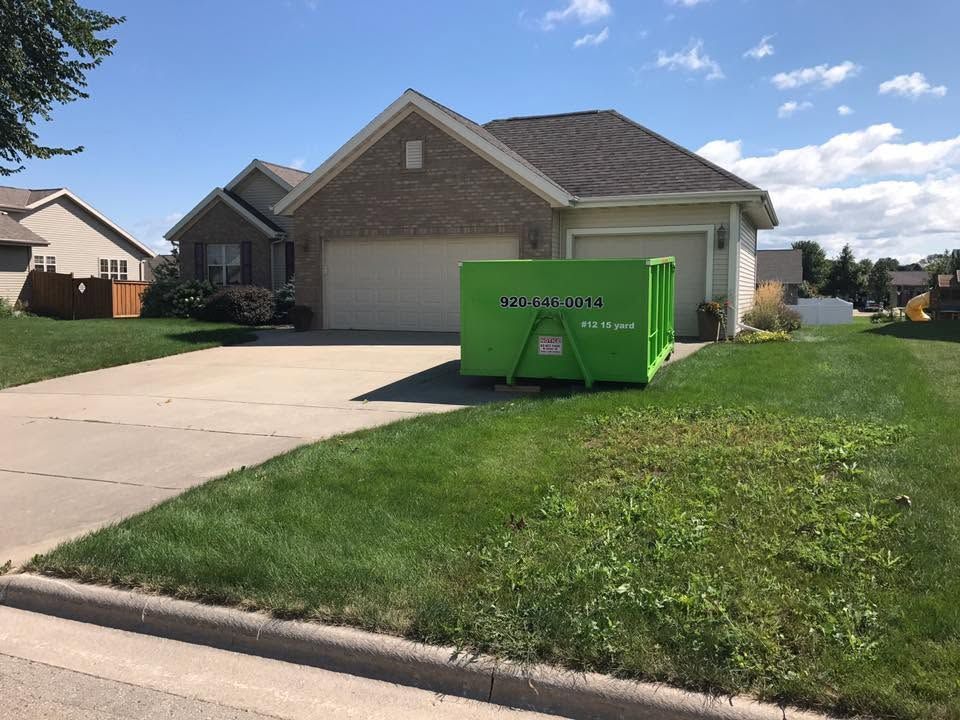
Driveway dimensions, street access, and loading areas affect container placement and size selection.
Disposal Regulations
Some materials require separation for disposal compliance.
Careful planning reduces unnecessary expenses while helping projects remain organized throughout the rental period.
Avoiding Weight Limit and Overloading Problems
Understanding Weight Restrictions
Every roll-off dumpster rental includes weight limits based on the container size and disposal regulations. Exceeding those limits can result in overage fees, transportation issues, and safety hazards. Many renters focus only on physical space while overlooking debris weight.
Heavy construction debris often creates problems even when the dumpster does not appear full. Concrete, asphalt, roofing shingles, soil, bricks, and tile can exceed hauling limits quickly. Overloaded containers may become unsafe to transport and could require unloading before pickup.
Risks Associated With Overloading
Overfilled dumpsters create several operational and safety concerns. Debris stacked above the container rim may shift during transport, increasing accident risks on roads or job sites. Excessive weight can damage driveways, parking lots, and loading surfaces. Overloaded containers may also violate local hauling regulations.
Commercial projects often encounter overloading problems during demolition phases when waste generation increases unexpectedly. Residential customers may experience similar issues during estate cleanouts or major renovation projects where bulky items accumulate rapidly.
Smart Loading Techniques
Reducing overloading risks begins with proper loading practices.
Distribute Weight Evenly
Heavy debris should be spread throughout the dumpster rather than concentrated in one area.
Break Down Large Materials
Disassembling furniture, cabinets, and framing materials creates more usable space.
Avoid Stacking Above The Rim
Materials should remain level with the top edge of the container to allow safe transportation.
Separate Heavy Debris
Concrete, dirt, and roofing materials may require dedicated disposal containers.
Proper loading improves safety while helping avoid additional transportation charges and project delays.
Failing To Understand Prohibited Waste Materials
Restricted Materials Create Major Problems
Another common dumpster rental mistake involves placing prohibited materials inside the container. Waste disposal regulations restrict certain items because of environmental concerns, fire hazards, or landfill compliance requirements. Failing to follow disposal guidelines may result in fines, rejected pickups, or additional disposal charges.
Many renters assume dumpsters can hold any type of waste. In reality, hazardous or regulated materials often require specialized disposal methods separate from standard construction or household debris.
Commonly Prohibited Materials
Although regulations vary by region, several items are commonly restricted from roll-off dumpsters.
Hazardous Chemicals
Paints, solvents, pesticides, and automotive fluids often require specialized disposal facilities.
Electronics
Televisions, computers, batteries, and electronic equipment may contain regulated components.
Appliances Containing Refrigerants
Refrigerators and air conditioning units typically require refrigerant removal before disposal.
Tires And Propane Tanks
These items often carry recycling or disposal restrictions.
Flammable Materials
Gasoline, fuels, and combustible liquids create transportation and safety risks.
How To Prevent Disposal Violations
Property owners should review disposal guidelines before loading debris into the dumpster. Communicating with the rental provider helps clarify which materials require separate handling. Many communities also provide designated collection programs for hazardous waste and electronics recycling.
Contractors managing commercial or construction projects benefit from organizing waste streams in advance. Separating recyclable materials, hazardous debris, and general waste improves job site organization while reducing disposal complications.
Understanding disposal restrictions helps avoid unnecessary fees while supporting safer environmental practices.
Ignoring Safety And Efficient Waste Management Practices
Unsafe Loading Creates Preventable Risks
Safety is often overlooked during dumpster use, especially on residential projects where property owners may not regularly manage construction debris. Unsafe loading practices increase the risk of injuries, falling debris, and property damage.
Construction sites face even greater risks when multiple crews dispose of materials without clear organization. Sharp objects, unstable debris piles, and overloaded containers can create hazardous working conditions.
Maintaining A Safer Dumpster Area
Keeping the dumpster area organized improves both safety and productivity.
Load Materials Gradually
Adding debris in controlled amounts prevents unstable piles.
Keep Walkways Clear
Avoid allowing debris to accumulate around the container entrance.
Use Proper Lifting Techniques
Heavy items should be lifted carefully to reduce injury risks.
Monitor Children And Pedestrians
Residential projects should keep dumpsters away from active play areas or public walkways.
Cover Containers When Necessary
Tarping dumpsters during storms helps prevent debris from blowing out or collecting excess water weight.
Improving Waste Management Efficiency
Efficient waste management helps projects remain cleaner and easier to control. Sorting recyclable materials, minimizing unnecessary waste, and loading debris strategically reduce hauling frequency and disposal complications.
For contractors, organized waste handling improves job site appearance and supports smoother operations. Homeowners benefit from faster cleanup and reduced stress throughout renovation or cleanout projects.
Strong safety habits and organized disposal practices contribute to more successful dumpster rental experiences from beginning to end.
Experienced Dumpster Rental Guidance For Cleaner Projects
Avoiding common mistakes when renting a roll-off dumpster begins with preparation, communication, and understanding how waste management affects project timelines, safety, and overall costs. Choosing the correct dumpster size, following disposal guidelines, respecting weight limits, and preparing the delivery area all contribute to a smoother rental experience. Whether handling residential cleanouts, remodeling work, roofing debris, or commercial construction waste, careful planning helps reduce delays and prevent unnecessary expenses. Property owners who understand the rental process are better equipped to keep projects organized while maintaining safer working conditions throughout the cleanup phase.
At Dump 'N Go, we provide dependable residential and commercial dumpster rentals throughout Green Bay, Wisconsin, backed by more than 10
years of industry experience. We understand the challenges property owners, contractors, and businesses face when managing debris removal during active projects. Our goal is to help customers avoid common rental mistakes by offering guidance on dumpster sizing, scheduling, placement preparation, and disposal requirements before the container arrives. We focus on responsive service, reliable delivery, and straightforward communication that helps projects move forward without unnecessary interruptions. From home renovations and construction debris to commercial property cleanouts, we provide practical dumpster rental solutions designed to support safe, organized, and efficient waste removal for projects of every size.